





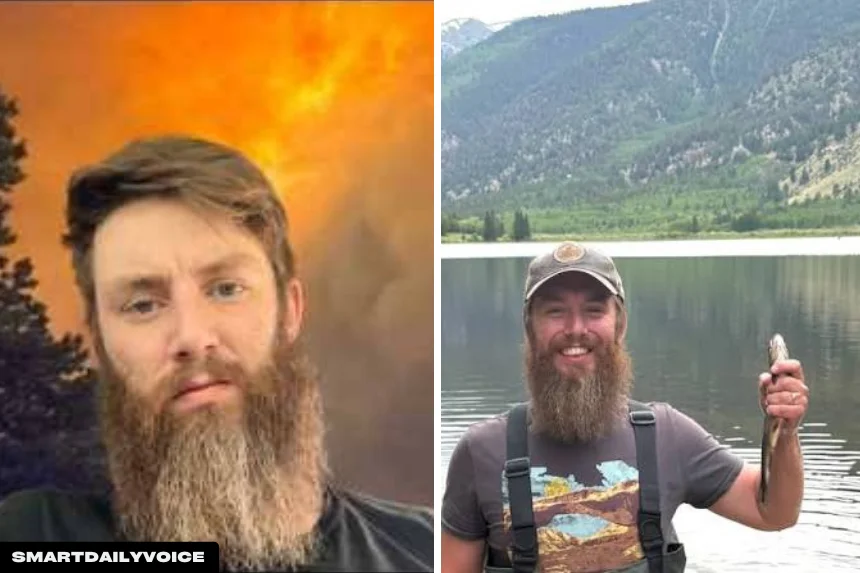
Patrick Humphrey is a YouTube creator associated with prepper-style content, emergency warnings, and doomsday-themed videos. Many people recognize his name because clips from his channel circulate on Facebook, YouTube, and other platforms with urgent claims about disasters, government warnings, extreme weather, and world events.
Fact-checkers have reviewed some of Humphrey’s viral claims and found serious problems with the way they framed public statements. PolitiFact reported that his channel gained attention after he began regularly publishing false or misleading videos that stoked fear of impending disaster. Poynter also described how his content shifted from farming-related videos toward doomsday-style misinformation.
That does not mean every emergency-preparedness topic is false. Building a basic emergency kit, making a family plan, and following official weather alerts all make sense. The issue starts when videos turn real events into unsupported claims about planned disasters, secret warnings, or imminent collapse.
Who Is Patrick Humphrey?
Patrick Humphrey is an online video creator whose YouTube presence focuses on natural disasters, earthquakes, volcanoes, flooding, wildfires, seismic activity, solar activity, and similar breaking-news themes. His YouTube channel description presents him as a source for major disaster-related coverage.
Many viewers connect him with prepper content because his videos often use urgent language around survival, preparation, and crisis warnings. The word “prepper” usually refers to someone who prepares for emergencies, disruptions, disasters, or long-term survival scenarios.

What Does “Prepper” Mean?
A prepper prepares for emergencies before they happen. Healthy preparedness can include practical steps such as storing water, keeping non-perishable food, charging backup batteries, saving important documents, and making a family communication plan.

Ready.gov, a U.S. government preparedness site, advises people to build an emergency kit with the items they may need to survive on their own for several days after a disaster.
That kind of preparation differs from panic-driven content. Responsible preparedness focuses on realistic risks and trusted sources. Fear-based content often pushes viewers toward dramatic conclusions before it proves the claim.
Why Fact-Checkers Have Covered Patrick Humphrey
Fact-checkers discuss Humphrey because some of his videos have spread beyond YouTube and appeared in viral social media posts.

In one 2023 fact-check, PolitiFact reviewed a claim that President Joe Biden and U.N. Secretary-General António Guterres had warned of a planned disaster. PolitiFact traced the video to Patrick Humphrey and rated the claim false. The outlet explained that Guterres discussed climate change and that Biden misspoke before correcting himself.
This case shows how a real public event can become misleading when someone removes context or adds a dramatic interpretation.
Did Biden and a U.N. Official Warn of a Planned Disaster?
No. PolitiFact found that Biden and Guterres did not warn of a planned disaster.
The fact-check explained that Guterres spoke about climate change at a U.N. Climate Ambition Summit. It also noted that Biden made a verbal mistake during a speech, then immediately corrected himself. PolitiFact concluded that Humphrey’s claim distorted both statements.
That matters because disaster-related misinformation often begins with a real quote, headline, storm, earthquake, fire, or government statement. The misleading part comes from the interpretation, not always from a completely fake source.
What Kind of Claims Appear in Prepper-Style Videos?
Prepper-style videos often cover topics that genuinely matter, such as storms, supply chains, food prices, wildfires, earthquakes, power outages, and civil emergencies. Viewers should pay attention to those issues, but they should also separate verified risk from unsupported fear.

Common warning signs include:
- Claims that a major disaster will happen on a specific date without official evidence
- Headlines that use “prepare now,” “they warned us,” or “you have days left”
- Videos that rely on short clips without full context
- Claims that public officials secretly confirmed a hidden plan
- Links to products, survival supplies, or communities built around fear
- No clear source from agencies such as FEMA, NOAA, USGS, NWS, or local emergency management offices
A strong claim should come with strong evidence. If a video predicts a major emergency, viewers should check official agencies before acting on it.
How to Check Patrick Humphrey’s Claims
Use a simple verification process before sharing or acting on any alarming video.
1. Identify the Main Claim
Write down the exact claim in one sentence. For example: “A U.N. official warned of a planned disaster.” This step helps you avoid reacting to tone alone.
2. Look for the Original Source
Find the full speech, government notice, weather bulletin, or agency update. Short clips can remove the sentence that explains what the speaker meant.
3. Check Official Agencies
Use trusted sources based on the topic:
| Topic | Better source to check |
|---|---|
| Weather alerts | National Weather Service or local emergency management |
| Hurricanes | National Hurricane Center |
| Earthquakes | U.S. Geological Survey |
| Wildfires | Local fire agencies and state emergency offices |
| General preparedness | Ready.gov or FEMA |
| Public health | CDC or local health departments |
4. Compare With Reputable Reporting
Check whether established news organizations report the same claim. If a video says a national disaster is imminent but no official agency or major outlet confirms it, treat the claim carefully.
5. Watch for Emotional Pressure
Videos that push panic, urgency, or distrust can make viewers skip verification. Slow down before buying supplies, sharing posts, or warning others.
Responsible Preparedness vs. Fear-Based Content
Preparedness helps people. Panic harms them.
Responsible preparedness says:
- Keep several days of food and water.
- Store medications and documents safely.
- Know your evacuation route.
- Follow official local alerts.
- Prepare based on realistic risks in your area.
Fear-based content says:
- Something terrible will happen soon.
- Only insiders know the truth.
- Officials secretly warned people.
- Viewers must act immediately.
- Anyone who questions the claim is part of the problem.
Ready.gov encourages people to build kits and make plans, but it does not ask people to rely on viral predictions or unsupported claims.
Why These Videos Spread Quickly
Disaster videos spread fast because they trigger fear and urgency. Many viewers share them because they want to protect family or friends. The problem is that false warnings can cause confusion, waste money, and reduce trust in real alerts.
PolitiFact noted that some misleading posts about extreme weather aligned with false claims that recent natural disasters were planned. The outlet found no sign that weather modification caused wide-scale natural disasters referenced in those claims.
Real disasters already require attention. False explanations make it harder for people to respond calmly and effectively.
Should You Avoid All Prepper Content?
No. Some prepper content offers useful information about emergency kits, food storage, backup power, water safety, and evacuation planning. The key is to judge each claim by its evidence.
Good prepper content usually:
- Names sources clearly
- Links to official alerts
- Explains uncertainty
- Avoids exact disaster dates unless officials confirm them
- Encourages practical planning
- Separates opinion from fact
Unreliable prepper content usually:
- Uses dramatic titles
- Treats speculation as proof
- Misrepresents clips
- Claims secret knowledge
- Encourages panic buying
- Ignores official corrections
FAQs
Who is Patrick Humphrey?
Patrick Humphrey is a YouTube creator associated with prepper-style videos, disaster warnings, and emergency-related commentary. His channel description focuses on natural disasters, earthquakes, wildfires, flooding, seismic activity, and solar activity.
Is Patrick Humphrey a prepper?
Many viewers describe him as a prepper-style creator because his videos focus on preparation, disasters, and urgent warnings. Fact-checkers have also linked his content to doomsday-style themes.
Has Patrick Humphrey been fact-checked?
Yes. PolitiFact reviewed a viral claim traced to Humphrey and found that Biden and a U.N. official did not warn of a planned disaster.
Are Patrick Humphrey’s videos always false?
No source reviewed proves that every video he posts is false. However, fact-checkers have found that some viral claims connected to his content used misleading framing or lacked proper context. Readers should verify each claim before trusting or sharing it.
What is the safest way to prepare for disasters?
Use official guidance from Ready.gov, FEMA, the National Weather Service, local emergency management, and other relevant agencies. Build a kit, make a plan, and follow official alerts instead of relying only on viral videos.
Why do prepper videos use urgent titles?
Urgent titles attract attention and make people click quickly. That does not automatically make a video false, but it should make viewers check the evidence carefully.
Conclusion
Patrick Humphrey is a prepper-style YouTube creator whose disaster and warning videos have drawn attention from fact-checkers. Some claims connected to his content have used misleading framing, especially around public officials and alleged planned disasters. Readers can still take emergency preparedness seriously, but they should verify alarming claims through official agencies, full-source context, and reputable reporting before they act or share.
Discover more on our website about bruce nolan new orleans