





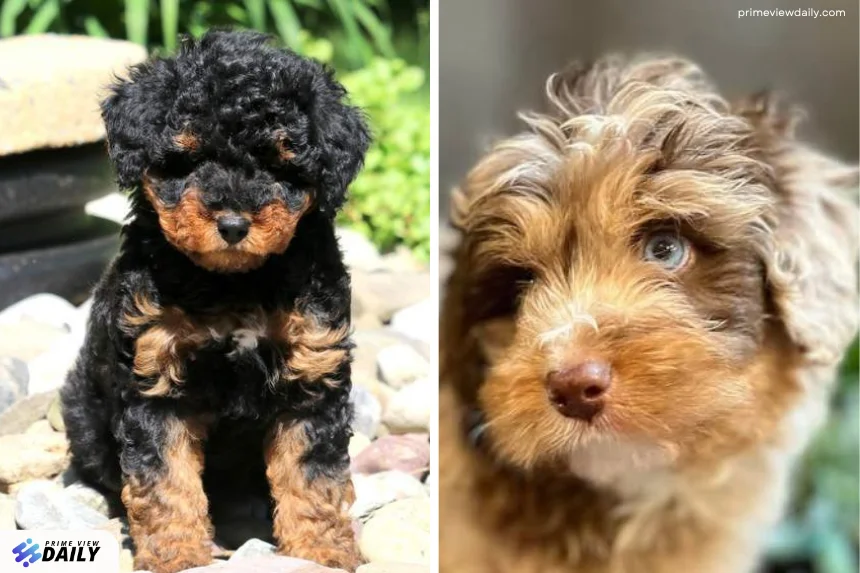
Mini Aussiedoodles have quickly become one of the most sought-after designer dog breeds in recent years. Their growing popularity comes from a unique combination of intelligence, affection, and adaptability. As a cross between the Australian Shepherd and the Miniature Poodle, the Mini Aussiedoodle offers many of the qualities dog owners look for in a family companion. They are playful without being overwhelming, intelligent without being difficult to train, and active enough to enjoy outdoor adventures while still fitting comfortably into many modern households.
For most prospective owners, the biggest question is simple: how big do Mini Aussiedoodles get? Understanding their adult size is important because it influences everything from housing arrangements and exercise needs to feeding costs and long-term care requirements. While breeders can provide estimates, many people are surprised to learn that Mini Aussiedoodles can vary considerably in size depending on their genetics and breeding background.
In general, a full-grown Mini Aussiedoodle stands between 12 and 18 inches tall and typically weighs between 15 and 45 pounds. Most dogs reach their full height by their first birthday, although they may continue developing muscle and filling out until they are around 18 months old. This size places them comfortably in the medium-sized dog category, making them a practical choice for families, couples, and individuals who want a dog that is neither too small nor too large.

What Is a Mini Aussiedoodle?
A Mini Aussiedoodle is a hybrid breed created by crossing an Australian Shepherd with a Miniature Poodle. The goal of this combination is to bring together the best qualities of both parent breeds. Australian Shepherds are widely recognized for their intelligence, loyalty, and athletic abilities, while Miniature Poodles are famous for their trainability, friendly personalities, and low-shedding coats. When these traits are combined, the result is a dog that is highly intelligent, eager to please, and deeply connected to its family.
One reason Mini Aussiedoodles have become so popular is their versatility. They are energetic enough to accompany their owners on walks, hikes, and outdoor activities, yet they are also affectionate companions that enjoy spending time indoors with their families. Their adaptability allows them to thrive in a variety of living environments, provided their physical and mental needs are met consistently.

Because Mini Aussiedoodles are not a purebred breed, their appearance and temperament can vary from one dog to another. Some inherit more characteristics from the Australian Shepherd side, while others display stronger Poodle traits. This variation is part of what makes each Mini Aussiedoodle unique.
How Big Do Mini Aussiedoodles Get?
Most Mini Aussiedoodles reach a height of 12 to 18 inches at the shoulder and weigh between 15 and 45 pounds once fully grown. However, these numbers should be viewed as general guidelines rather than strict rules. The size of the parents, particularly the Poodle parent, plays a significant role in determining how large a puppy will become as an adult.
Smaller Mini Aussiedoodles often mature at around 15 to 25 pounds and remain compact enough for apartment living. Larger individuals can approach 40 pounds or more and may resemble smaller versions of Standard Aussiedoodles. Even within the same litter, it is possible to see noticeable differences in adult size among siblings.

Male Mini Aussiedoodles are usually slightly larger than females, although the difference is often modest. Males may develop a more muscular build as they mature, while females often maintain a slightly lighter frame. Regardless of gender, most healthy Mini Aussiedoodles fall within the medium-sized category and remain easy to manage for most owners.
The most important factor influencing adult size is genetics. Responsible breeders carefully select parent dogs to produce puppies that remain within the expected Mini Aussiedoodle size range. Even so, nature can sometimes be unpredictable, and some puppies may mature larger or smaller than anticipated.
Full-Grown Aussiedoodle: What to Expect
One of the most appealing aspects of owning a Mini Aussiedoodle is watching them develop from a small puppy into a confident and energetic adult dog. A full-grown Aussiedoodle typically maintains the playful expression and fluffy appearance that make the breed so popular. Even as adults, many retain a youthful look thanks to their soft coats, bright eyes, and compact build.
The appearance of a full-grown Aussiedoodle can vary considerably depending on which parent breed has the stronger influence. Some dogs inherit the curly coat commonly associated with Poodles, while others develop a looser wavy coat that reflects more Australian Shepherd traits. In some cases, a Mini Aussiedoodle may even have a relatively straight coat, although this is less common.
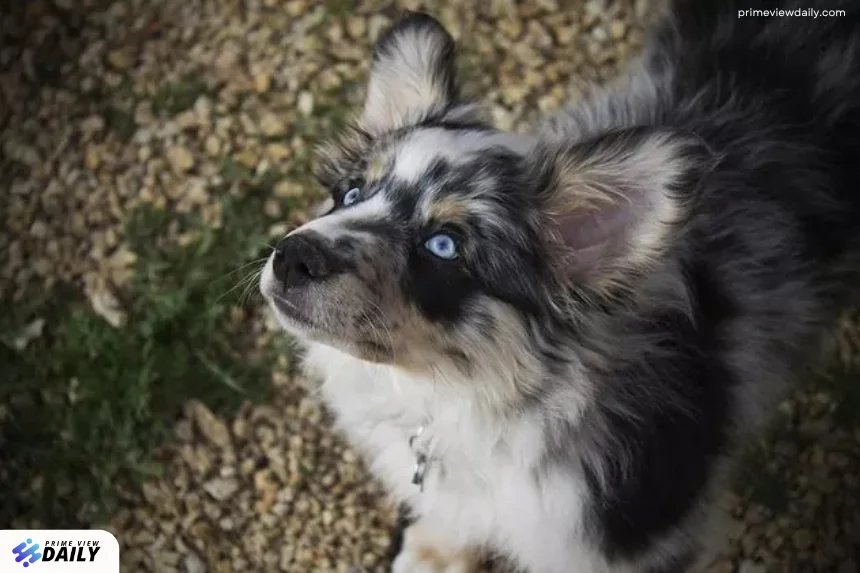
Coat colors can also vary widely. Blue merle, red merle, black, chocolate, cream, and various tri-color combinations are among the most frequently seen patterns. This variety means that no two Mini Aussiedoodles look exactly alike, which adds to the breed’s appeal.
While appearance often attracts people to the breed initially, personality is usually what turns owners into lifelong fans. A full-grown Mini Aussiedoodle tends to be affectionate, attentive, and highly engaged with its family. Most develop strong bonds with their owners and enjoy being involved in everyday activities.

Mini Aussiedoodle Growth Chart
Although every dog grows at its own pace, most Mini Aussiedoodles follow a predictable growth pattern during their first year. Growth is usually rapid during the first six months, after which it gradually slows down.
| Age | Average Weight |
|---|---|
| 8 Weeks | 5–10 lbs |
| 3 Months | 8–15 lbs |
| 6 Months | 15–30 lbs |
| 9 Months | 20–40 lbs |
| 12 Months | 25–45 lbs |
| 18 Months | Full Adult Weight |
Most Mini Aussiedoodles reach their full height between ten and twelve months of age. However, height is only one part of development. Many dogs continue gaining muscle, strength, and body mass for several additional months. As a result, owners often notice subtle physical changes until the dog reaches approximately 16 to 18 months old.
Proper nutrition plays a significant role during this growth period. Feeding a balanced, high-quality diet helps support healthy bone development and overall growth. Overfeeding should be avoided, as excess weight can place unnecessary stress on developing joints.
Mini Aussiedoodle Temperament
The temperament of the Mini Aussiedoodle is one of the breed’s strongest selling points. These dogs are known for being intelligent, friendly, and highly responsive to training. Because both Australian Shepherds and Poodles rank among the smartest dog breeds, their offspring often display exceptional learning abilities.
Many owners describe Mini Aussiedoodles as people-oriented dogs. They enjoy being near their families and often prefer participating in household activities rather than spending long periods alone. This strong desire for companionship can make them wonderful family pets, but it also means they may struggle if regularly left alone for extended periods.
Their intelligence allows them to learn commands quickly, but it also means they require mental stimulation. A bored Mini Aussiedoodle can become mischievous and may create its own entertainment through chewing, digging, or excessive barking. Consistent training and interactive activities help prevent these behaviors while strengthening the bond between dog and owner.
Mini Aussiedoodles generally interact well with children and other pets when socialized properly from a young age. Their playful nature often makes them excellent companions for active families who enjoy spending time outdoors.

Exercise Requirements
Potential owners sometimes underestimate how much exercise a Mini Aussiedoodle needs. While they are not as demanding as some working breeds, they are far from couch potatoes. Their Australian Shepherd heritage contributes a strong desire to stay active and engaged.
A healthy adult Mini Aussiedoodle usually benefits from at least one hour of daily exercise. This can include walks, games of fetch, hiking, agility activities, or structured play sessions. Regular exercise not only supports physical health but also helps reduce boredom-related behavioral problems.
Mental stimulation is equally important. Puzzle toys, obedience training, scent games, and learning new tricks all provide valuable opportunities to challenge a Mini Aussiedoodle’s mind. Many owners find that a combination of physical and mental activity produces the happiest and most well-behaved dogs.
The good news is that Mini Aussiedoodles are adaptable. As long as their exercise needs are met consistently, they can thrive in a variety of living situations, including apartments and smaller homes.
Do Mini Aussiedoodles Shed?
One reason many people consider an Aussiedoodle is the belief that the breed does not shed. While Mini Aussiedoodles typically shed less than many traditional breeds, they are not completely non-shedding.
The amount of shedding depends largely on coat type. Dogs with tighter curls tend to shed very little because loose hairs become trapped within the coat. Dogs with straighter coats may shed somewhat more, although still less than many other breeds.
Regular grooming is essential regardless of coat type. Without consistent brushing, loose hair can become tangled and form mats, particularly in dogs with curly coats. Most owners find that brushing several times per week helps maintain coat health and reduces grooming challenges.
Professional grooming every six to eight weeks is often recommended. Regular trims help keep the coat manageable and comfortable, particularly during warmer months. In addition to coat care, owners should also pay attention to nail trimming, ear cleaning, and dental hygiene as part of a complete grooming routine.
Health Issues and Lifespan
Mini Aussiedoodles are generally considered healthy dogs, especially when they come from responsible breeders who perform genetic health testing on parent dogs. However, like all breeds and mixed breeds, they can inherit certain health conditions from either the Australian Shepherd or the Poodle side of their family tree.
Hip dysplasia is one of the more common concerns. This condition affects the hip joint and can lead to discomfort or mobility issues later in life. Eye conditions such as progressive retinal atrophy and cataracts may also occur in some bloodlines. Although these issues are not guaranteed, regular veterinary checkups can help identify potential problems early.
Allergies are another condition occasionally seen in Mini Aussiedoodles. Some dogs develop sensitivities to certain foods or environmental triggers, which may result in itching, skin irritation, or recurring ear infections. Maintaining a healthy diet and working closely with a veterinarian can help manage these issues effectively.
A healthy Mini Aussiedoodle typically enjoys a lifespan of 12 to 15 years. With proper nutrition, regular exercise, routine veterinary care, and a healthy living environment, many dogs remain active well into their senior years.
Mini Aussiedoodle vs Toy Aussiedoodle vs Standard Aussiedoodle
Many people researching Mini Aussiedoodles also compare them with Toy and Standard Aussiedoodles. While all three share similar personality traits, their size differences can significantly affect their lifestyle requirements.
| Type | Height | Weight |
|---|---|---|
| Toy Aussiedoodle | 10–14 inches | 10–20 lbs |
| Mini Aussiedoodle | 12–18 inches | 15–45 lbs |
| Standard Aussiedoodle | 18–24 inches | 40–70 lbs |
The Toy Aussiedoodle is often preferred by people living in smaller apartments or those looking for a highly portable companion. Standard Aussiedoodles appeal to owners who enjoy larger dogs and have more space available. For many households, however, the Mini Aussiedoodle offers the ideal middle ground.
A Mini Aussiedoodle is large enough to participate in outdoor activities and sports while remaining manageable for most families. This balance is one of the main reasons the breed has become so popular among first-time dog owners.
Is a Mini Aussiedoodle Right for You?
Before bringing any dog into your home, it is important to consider whether the breed’s needs match your lifestyle. Mini Aussiedoodles thrive in homes where they receive attention, exercise, and regular interaction. They enjoy being part of family activities and often form exceptionally strong bonds with their owners.
People who lead active lifestyles often find the breed particularly rewarding. A Mini Aussiedoodle can happily join daily walks, hiking trips, and outdoor adventures. At the same time, they are affectionate companions who enjoy relaxing indoors after their exercise needs have been met.
On the other hand, individuals seeking a very low-maintenance dog may find the breed challenging. Their intelligence requires mental stimulation, and their coats require consistent grooming. Owners who are frequently away from home may also find that Mini Aussiedoodles struggle with long periods of isolation.
For families willing to invest time in training, exercise, and companionship, a Mini Aussiedoodle can become an incredibly loyal and loving addition to the household.
Frequently Asked Questions
How big do Mini Aussiedoodles get?
Most Mini Aussiedoodles reach a height of 12 to 18 inches and weigh between 15 and 45 pounds when fully grown. Their exact size depends largely on genetics and the size of their parents.
At what age is a Mini Aussiedoodle fully grown?
Most Mini Aussiedoodles reach their full height by about 10 to 12 months of age. However, many continue gaining muscle and body weight until they are approximately 16 to 18 months old.
What does a full-grown Aussiedoodle look like?
A full-grown Aussiedoodle usually has a compact, athletic build with a soft curly or wavy coat. Their appearance varies depending on whether they inherit more traits from the Australian Shepherd or the Poodle.
Are Mini Aussiedoodles good family dogs?
Yes. Mini Aussiedoodles are known for their friendly and affectionate personalities. They typically bond well with children and enjoy participating in family activities.
Do Mini Aussiedoodles shed a lot?
Most Mini Aussiedoodles shed less than many traditional breeds, especially those with curlier coats. However, they are not completely non-shedding and still require regular grooming.
Are Mini Aussiedoodles easy to train?
Because they inherit intelligence from both parent breeds, Mini Aussiedoodles are generally easy to train. Consistent positive reinforcement often produces excellent results.
Can Mini Aussiedoodles live in apartments?
Yes, provided they receive adequate daily exercise and mental stimulation. Their moderate size allows them to adapt well to apartment living.
How much exercise does a Mini Aussiedoodle need?
Most adults benefit from at least 60 minutes of daily exercise combined with activities that challenge them mentally.
Conclusion
Mini Aussiedoodles combine many of the best qualities found in the Australian Shepherd and Miniature Poodle. Their intelligence, affectionate nature, and manageable size make them one of the most appealing doodle breeds available today. For prospective owners wondering how big Mini Aussiedoodles get, the answer is reassuring: most mature into medium-sized dogs weighing between 15 and 45 pounds while standing 12 to 18 inches tall.
Their adaptable size makes them suitable for many different households, but their success depends on receiving proper exercise, training, and companionship. When those needs are met, Mini Aussiedoodles often become devoted family members who bring years of loyalty, energy, and affection into the home.
Whether you’re researching your first puppy or comparing doodle breeds, the Mini Aussiedoodle offers an impressive combination of intelligence, personality, and practicality that continues to win over dog lovers around the world.